



A study led by ibs.GRANADA could revolutionize the prevention and treatment of type 2 diabetes
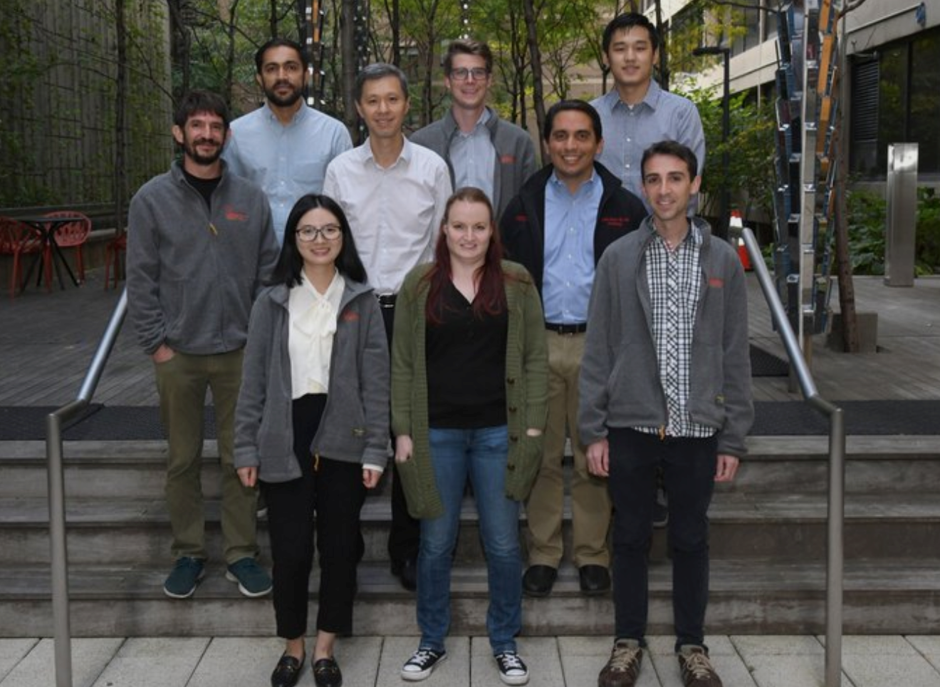
Pancreatic beta cells with high insulin-producing capacity could be key in the development of type 2 diabetes
The Biosanitary Research Institute of Granada (ibs.GRANADA) and the University of Granada (UGR), in collaboration with Cornell University and other institutions such as Harvard, UC Davis, the National University of Colombia and the University of Pennsylvania, has carried out carried out a study that could revolutionize the prevention and treatment of type 2 diabetes.
According to the study published in the prestigious magazine Nature Cell Biology, The loss of a single type of pancreatic beta cell with high insulin-producing capacity could be a contributing factor in the development of this disease.
The beta cells of the pancreas are responsible for synthesizing and secreting insulin, the hormone that controls blood glucose levels. Researchers have used the single-cell transcriptomics (scRNA-Seq) technique to evaluate gene expression in beta cells at the individual level, allowing the study of cell subpopulations and their importance in the development of diabetes.
The study revealed that a beta cell subtype with a high expression of genes involved in both sugar metabolism and insulin secretion is reduced in mice and patients with type 2 diabetes. In addition, it was determined that this subtype had a high expression of the CD63 gene, allowing this protein to be used as a marker to isolate this specific type of beta cell.
Transplanting beta cells with high expression of CD63 into diabetic mice restored their blood sugar levels to normal levels. But when the transplanted cells were removed, the mice again showed high blood sugar levels. On the other hand, transplanting beta cells with low CD63 expression did not restore blood sugar levels.
The study includes a meta-analysis that includes different studies carried out in humans, carried out in collaboration with researchers at UC Davis, in which they confirmed their findings.
The findings of this study suggest that treatments aimed at preserving or increasing the frequency of this type of beta cells with high insulin production could improve the care of patients with type 2 diabetes. In this sense, the researchers also demonstrated that GLP-1 agonists, medications that can help lose weight and lower blood glucose, improved the function of beta cells with low metabolic activity and CD63 expression.
Alfonso Rubio, first signatory of the article and member of the Advanced Therapies: Differentiation, Regeneration and Cancer Research Group (Center for Biomedical Research, UGR), indicates that “the use of single cell techniques allowed us to characterize and determine changes in the different subpopulations. of beta cells generated during the onset of type 2 diabetes. This study opens the door to new anti-diabetic treatments based on preserving or transplanting this subtype of beta cell with high metabolic activity."
As proof of the expected impact of this advance, the Editorial Board of the magazine Nature Cell Biology has published a Research Briefing highlighting these findings (Nat Cell Biol 25, 524–525 (2023); https://rdcu.be/c95cD).
In summary, the study has shown for the first time that changes in beta cell heterogeneity could be a contributing factor in the development of type 2 diabetes. The findings of this study could have important implications in the prevention and treatment of type 2 diabetes.
Bibliographic reference:
Rubio-Navarro A, Gómez-Banoy N, Stoll L, Dündar F, Mawla AM, Ma L, Cortada E, Zumbo P, Li A, Reiterer M, Montoya-Oviedo N, Homan EA, Imai N, Gilani A, Liu C , Naji A, Yang B, Chong ACN, Cohen DE, Chen S, Cao J, Pitt GS, Huising MO, Betel D, Lo JC. A beta cell subset with enhanced insulin secretion and glucose metabolism is reduced in type 2 diabetes. Nat Cell Biol. 2023 Apr;25(4):565-578. doi:10.1038/s41556-023-01103-1.


