



An international study provides new evidence on the relationship between the components of plastics and children's cognitive development
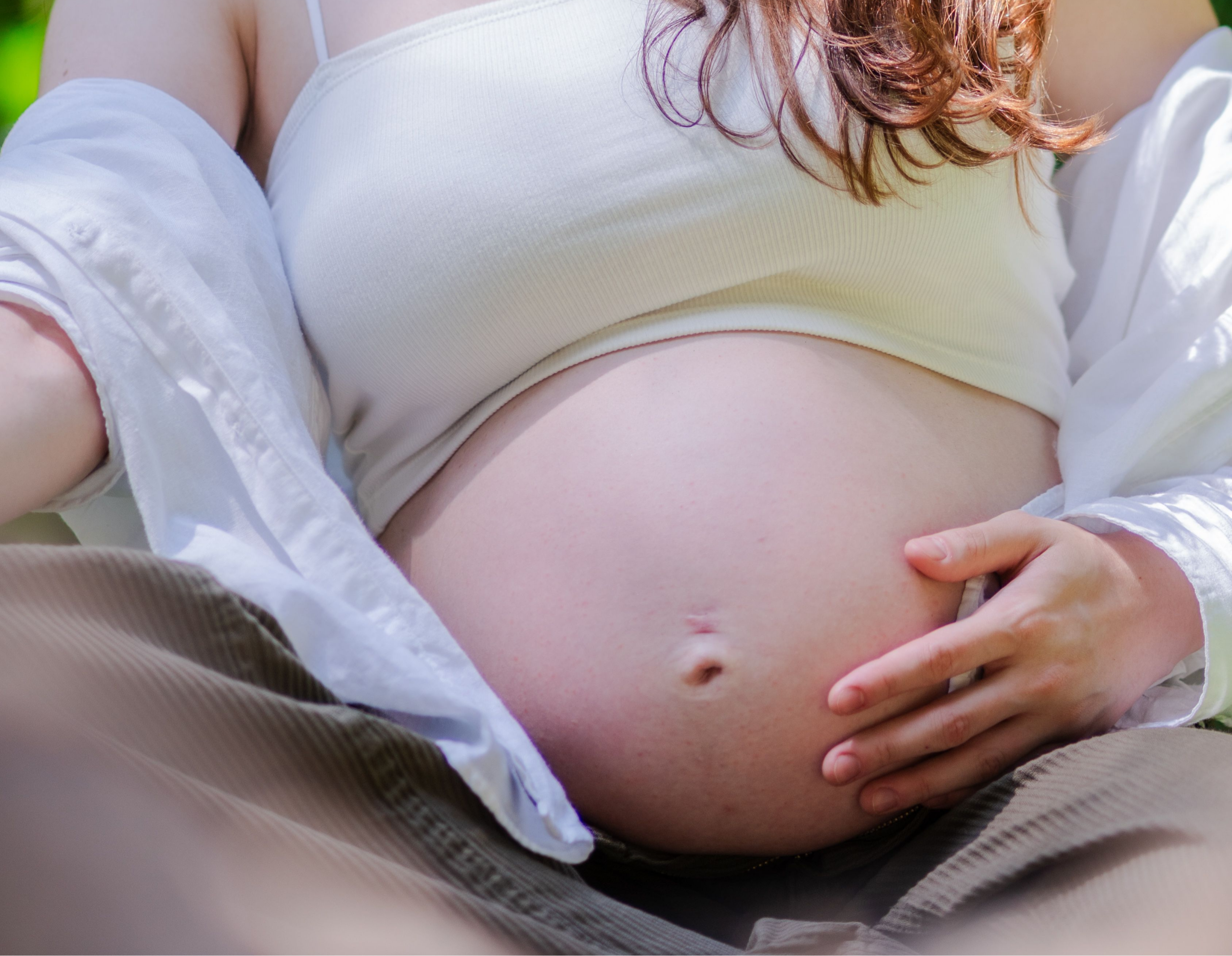
Researchers from ibs.GRANADA, the University of Granada and INSERM (France) have led an international study that identifies an association between maternal exposure to certain compounds present in plastics, such as bisphenols and phthalates, and the cognitive performance of their children
Researchers recommend that pregnant and breastfeeding women reduce this exposure through simple habits such as using glass and stainless steel utensils instead of plastic, decreasing the consumption of ultra-processed foods, and optimizing the use of cosmetics.
Researchers from the Granada Institute for Biomedical Research (ibs.GRANADA) and the University of Granada, in collaboration with the French National Institute of Health and Medical Research (INSERM), have published a study in the prestigious journal Environmental Health Perspectives. The study shows that exposure of pregnant women to some chemical compounds present in both plastics and cosmetics is associated with a lower IQ in their children at age 3.
The research analyzed mothers and children from the French population-based cohort SEPAGES, developed between 2014 and 2018 and funded by the European Research Council (ERC). Urine samples were collected from pregnant women and their babies, and the concentration of various endocrine disruptors, such as bisphenol A (BPA) and phthalates, used in some food packaging, such as canned goods, plastics in general, as well as in cosmetics, was measured.
After considering multiple factors, such as the mother's age, weight, socioeconomic status, intelligence, and lifestyle, children exposed to higher concentrations of the plastic pollutant mixture during the third trimester of pregnancy showed lower IQ scores. Specifically, the children showed an average decrease of 3 IQ points for each unit increase in the concentration of the pollutant mixture.
Vicente MustielesThe study's lead author, Miguel Servet researcher at ibs.GRANADA and the San Cecilio University Clinical Hospital of Granada, comments: “This work represents a significant methodological advance over previous studies and confirms a hypothesis we have been investigating for years: early exposure to mixtures of plastic pollutants can be a risk factor for proper brain development and cognitive function in children. Previous studies estimated that even subtle reductions in IQ scores can translate into a considerable number of cases of poor academic performance at the population level. In fact, in the European Union, the costs of prenatal exposure to endocrine disruptors related to neurodevelopmental disorders are estimated at billions of euros per year.”
A more accurate assessment of chemical exposure
One of the main challenges in research on exposure to chemical compounds present in plastics is their rapid metabolism and excretion in urine. Therefore, accurately measuring this exposure is complex and requires methodological strategies capable of better reflecting variations over time.
Claire Philippat, a researcher at the French National Institute of Health and Medical Research (INSERM), explains: “One of the methodological advances of the SEPAGES cohort is that pregnant women collected up to 42 urine samples throughout their pregnancy (previous studies only collected one or a few samples in each trimester), which allowed for a more valid and accurate assessment of their exposure to these plastic pollutants, a methodological requirement demanded by regulatory agencies such as the European Food Safety Authority (EFSA).”
Consideration of previous toxicological and epidemiological evidence
The researchers also conducted a structured review of the scientific literature to identify endocrine disruptors with the strongest toxicological and epidemiological evidence. Using advanced statistical models, they studied the association between exposure to plastic pollutants and children's intelligence, incorporating the results of previous international studies into the models.
Ainhoa Pérez Cantero, a predoctoral researcher at ibs.GRANADA and the San Cecilio University Clinical Hospital of Granada, adds: “Another strength of the study is that the results reflect the body of evidence available from various studies international human populationnot only those from the French cohort, which increases the relevance of these results. Furthermore, the study synthesized all available toxicological knowledge in this field, supporting the observed associations.”
Implications for Spain and Europe
In response to whether these results in the French population could be extrapolated to the Spanish and European population, Vicente Mustieles indicates that: “Exposure to these endocrine disruptors is universal, and in both France and Spain, more than 90% of the population has measurable levels of these compounds in their urine. Studies in the Spanish population, such as those obtained in the Infancia y Medioambiente (INMA) multicenter birth cohort, have also associated prenatal and childhood exposure to these same chemical compounds with neurodevelopmental disorders.”
Avoiding ultra-processed foods and plastics in contact with food is essential to protect children's brains.
Researchers recommend avoiding the consumption of ultra-processed foods, which not only provide no nutrition, but also constitute a source of exposure to the contaminants studied. “We must promote a Mediterranean diet rich in whole, plant-based foods, such as vegetables, fruits, legumes, whole grains, and nuts. We should also prioritize glass and stainless steel containers and utensils, avoiding the use of plastic materials in contact with food. It is also advisable to reduce the number of cosmetic products used and, if possible, seek alternatives free of perfumes and endocrine disruptors.”The authors of the study conclude that these and other recommendations can be found in existing guidelines for pregnant and breastfeeding mothers.
Previous guidelines and recommendations
Environmental chemical pollutants. Guide of recommendations for pregnant and breastfeeding women. University of Granada and University of Barcelona.
https://www.ub.edu/toxicbody/wp-content/uploads/2018/02/AF-e-guia-buenas-practicas-CAST.pdf
Infographic and recommendations from the Spanish Society of Pediatric Endocrinology (SEEP) and the Spanish Society of Endocrinology and Nutrition (SEEN): https://www.seep.es/images/site/pacientes/mujeres_embarazadas.pdf
Contact:

Vicente Mustieles (vmustieles@ugr.es). Miguel Servet Researcher at ibs.GRANADA and San Cecilio University Clinical Hospital (HUSC). Researcher affiliated with the Biomedical Research Networking Center (CIBERESP) and the Biomedical Research Center (CIBM) of the University of Granada.

Ainhoa Pérez Cantero (apercan@ugr.es). Predoctoral researcher (PFIS contract) at ibs.GRANADA, the San Cecilio University Clinical Hospital (HUSC) and the Biomedical Research Center (CIBM) of the University of Granada.

Claire Philippat (claire.philippat@inserm.fr). Senior Researcher at French National Institute of Health and Medical Research (INSERM). University of Grenoble-Alpes, France.
Bibliographic reference:
Mustieles V, Rolland M, Perez-Cantero A, Bayat S, Valmary-Degano S, Thomsen C, Sakhi AK, Slama R, Guichardet K, Philippat C. Mixture of Plasticizer Chemicals and Child Intelligence: A Weight-of-Evidence and Meta-Analysis-Informed Bayesian Approach in a Cohort with Improved Exposure Assessment. Environmental Health Perspectives. 2026. 20 October. two: https://doi.org/10.1021/EHP.6c00297
About the group:
The A15-Basic and Clinical Oncology research group at ibs.GRANADA is a multidisciplinary team of clinicians, biologists, chemists, pharmacists, physiotherapists, and environmental scientists who work together to better understand the environmental causes of diseases and advance the diagnosis and treatment of various tumors. Their work focuses on a translational approach that seeks to translate scientific findings into clinical practice to improve public health.
More information: https://www.ibsgranada.es/grupos-de-investigacion/a15-oncologia-basica-y-clinica/


