



A study by ibs.GRANADA and the UGR shows that combining intermittent fasting and exercise promotes fat loss and improves physical condition in people with obesity
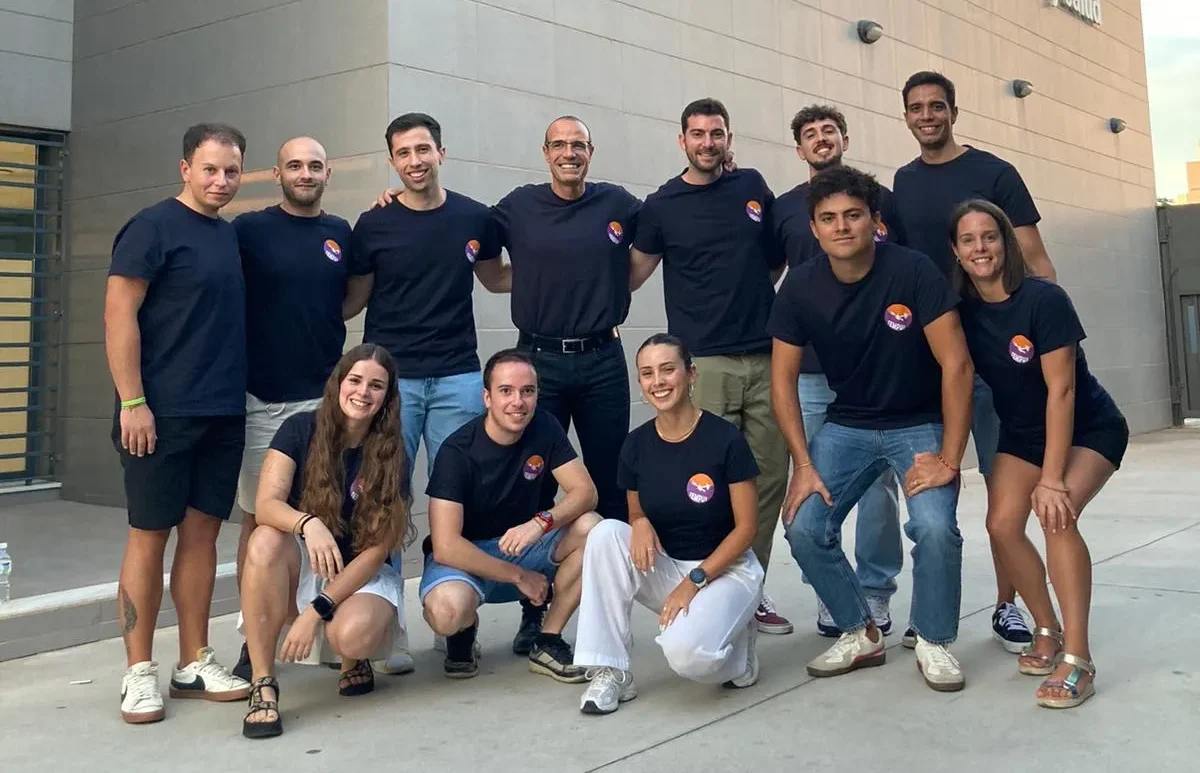
A trial led by the Joint University Institute for Sport and Health shows benefits on weight, body fat and cardiorespiratory capacity in people with obesity
A research team led by the Joint University Institute for Sport and Health (iMUDS) of the University of Granada, the Granada Institute for Biomedical Research (ibs.GRANADA), and the Biomedical Research Networking Center (CIBEREB) has studied the effects of combining intermittent fasting and supervised exercise in people with obesity within the framework of the TEMPUS project. The work, published in the prestigious journal Nature Communications.The study shows that combining intermittent fasting and supervised exercise promotes greater weight and body fat loss, as well as improving cardiorespiratory capacity in people with obesity, although no greater reduction of fat accumulated in the liver was detected compared to usual care.
The trial involved 187 adults with obesity, approximately half of whom were women. The group was randomly assigned to four groups: usual care, intermittent fasting, supervised exercise, and fasting combined with exercise. For 12 weeks, all groups received education on the Mediterranean diet and physical activity. Those practicing fasting concentrated their meals within an eight-hour window each day. The exercise groups followed a supervised program that combined strength training and high-intensity aerobic exercise.
The primary objective was to determine whether these strategies resulted in a greater reduction of liver fat, as measured by magnetic resonance imaging, and an improvement in cardiovascular health. The results showed that liver fat decreased in all four groups. However, no statistically significant differences were found between the interventions and usual care, nor among the three interventions.
People who fasted, with or without exercise, lost more weight than those who exercised alone or received usual care. In both fasting groups, weight loss was, on average, about 2,2 kg greater than in the usual care group. The combination of fasting and exercise also resulted in greater body fat loss than usual care and exercise alone. Meanwhile, both groups that exercised showed improvements in cardiorespiratory fitness, a marker of cardiovascular health.
Antonio Clavero Jimeno, lead co-author of the work and predoctoral researcher at the UGR, highlights that "these results allow us to assess the effects of interventions beyond weight, also taking into account changes in fat deposits in the liver, as well as total body fat and physical condition."
The study, part of Antonio Clavero Jimeno's doctoral thesis, also examined the response to the interventions in men and women. Among men, the combination of fasting and exercise resulted in a greater reduction of liver fat than usual care. This additional difference was not detected among women. Alba Camacho Cardeñosa, lead co-author of the study and postdoctoral researcher at ibs.GRANADA, points out, however, that "for now, these analyses alone do not allow us to conclude that the intervention works differently depending on sex."
Also, among people with fatty liver at the start of the study, approximately 30% of those who combined fasting and exercise no longer met the criteria used to diagnose this condition, compared to 6,5% of the usual care group.
One year after the program ended, no differences were found between groups in changes in liver fat. Furthermore, the differences in weight and body composition observed at the end of the 12 weeks were no longer detected. These results suggest the need to investigate longer-term interventions, especially in people with high levels of liver fat, and strategies to help maintain the benefits.
This work was led by the PROFITH CTS-977 research group at the iMUDS of the University of Granada, in collaboration with ibs.GRANADA, the San Cecilio University Clinical Hospital (HUCSC), and the Virgen de las Nieves University Hospital of Granada, along with the CIBER Network for Obesity (CIBEROBN) and the CIBER Network for Frailty and Healthy Aging (CIBERFES). The TEMPUS study (ref. PID2022-141506OB-I00) was funded by MICIU/AEI /10.13039/501100011033 and by the European Regional Development Fund (ERDF).
Bibliographic reference of the study:
Clavero-Jimeno A, Camacho-Cardenosa A, Martin-Olmedo JJ, Molina-Fernandez M, Boira-Nacher B, Cortés-Martín A, López-Vázquez A, Hernández-Martínez C, Amaro-Gahete FJ, Jurado-Fasoli L, Cupeiro R, De-la-O A, Gatti A, de Teresa Galván C, Carlén A, Corpas-Pérez S, Carneiro-Barrera A, Suárez-Catalina A, Martín-Márquez R, Concepción M, Morillo Moreno-Torres P, García Pérez PV, Cabeza R, Martín- Rodríguez JL, de Cabo R, Labayen I, Muñoz-Torres M, Ruiz JR. (2026) Effects of time-restricted eating and supervised exercise on intrahepatic fat and cardiometabolic health in adults with obesity: the TEMPUS randomized controlled trial. Nature Communications
https://doi.org/10.1038/s41467-026-78625-3
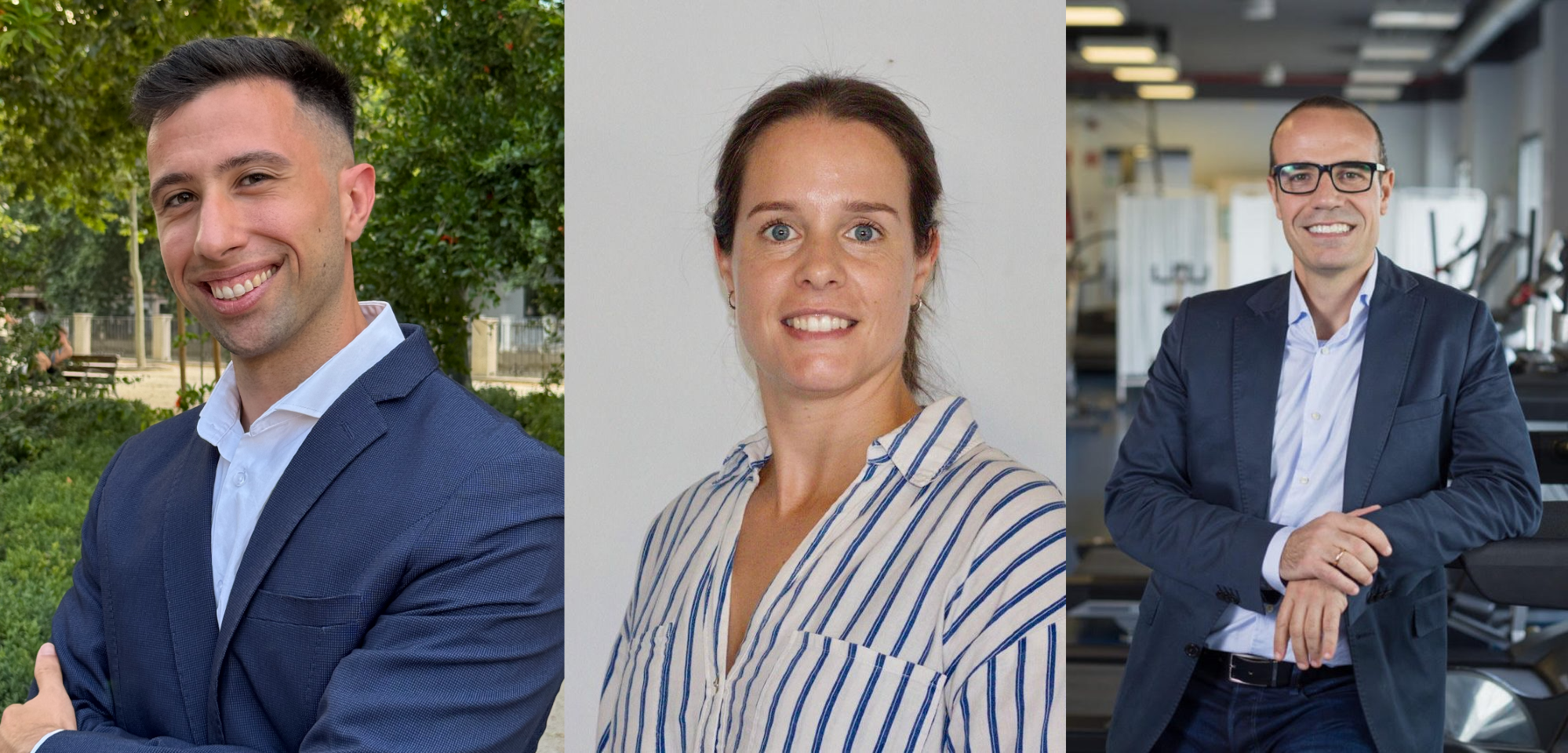
Contact:
- Antonio Clavero Jimeno – claveroa@ugr.es
- Alba Camacho Cardeñosa – acamachocardenos@ugr.es
- Jonatan Ruiz Ruiz – ruizj@ugr.es


