



A study by ibs.GRANADA reveals that one in twelve women diagnosed with breast cancer develops a second, different cancer during their lifetime.
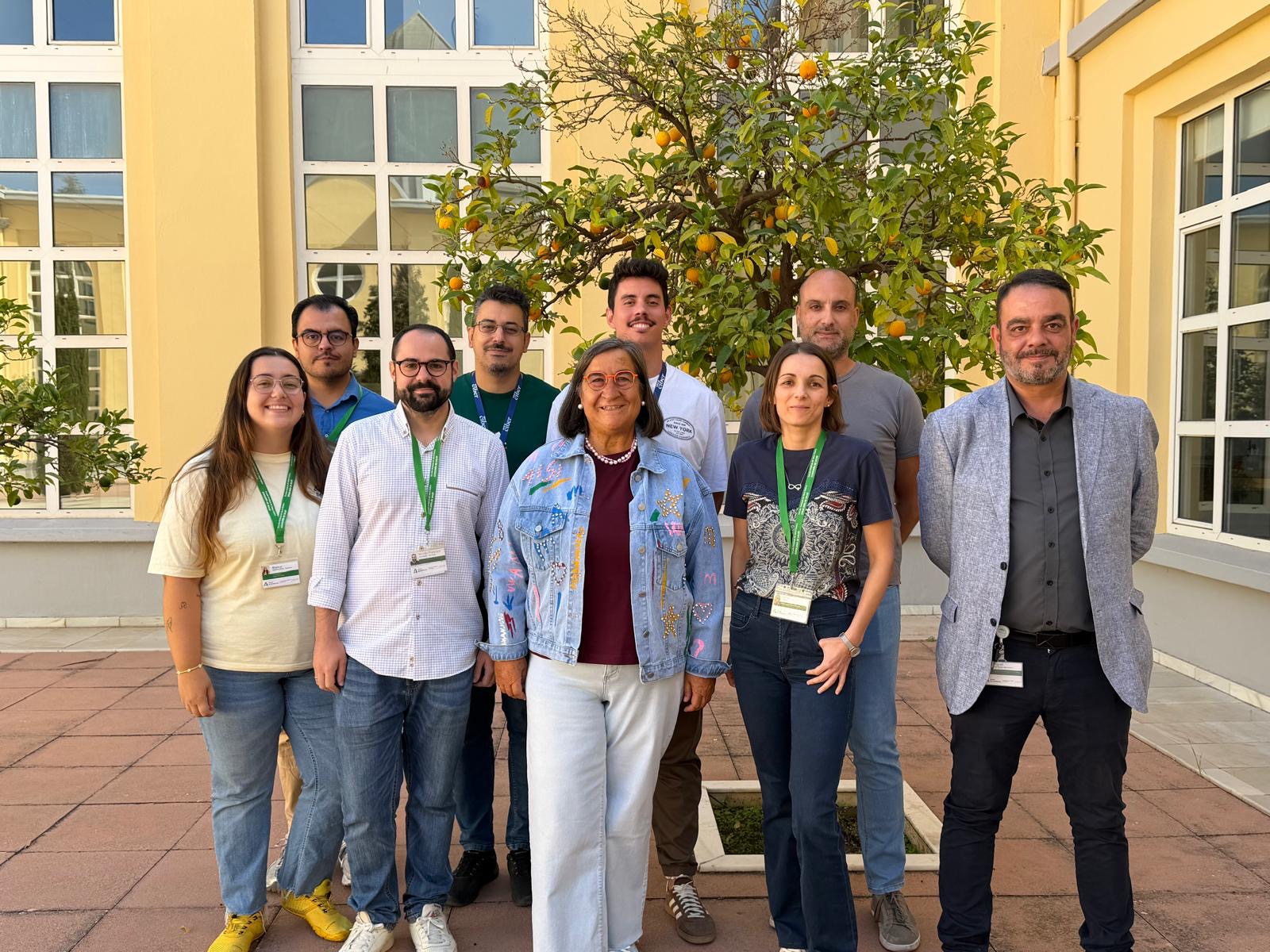
The study, conducted using data from the Granada Cancer Registry, shows that for women diagnosed with breast cancer, the risk of developing another primary cancer is 33% higher than in the general population, especially among women diagnosed before the age of 50.
A study conducted by researchers from the Granada Biosanitary Research Institute (ibs.GRANADA), the Andalusian School of Public Health (EASP), the CIBER of Epidemiology and Public Health (CIBERESP) and the Virgen de las Nieves University Hospital (HUVN), has analyzed for the first time in Spain the risk of developing a second primary cancer in women who have survived breast cancer, based on more than three decades of data from the Granada Cancer Registry.
The work, published in the scientific journal maturitasThe study included 12.260 women diagnosed with breast cancer between 1985 and 2019. Of these, 1.032 (8,4%) developed a second primary cancer, a new malignant tumor that was neither a recurrence nor a metastasis of the initial breast cancer, with a mean time of 7,2 years between both diagnoses.
The most frequent cancers after breast cancer were non-melanoma skin cancer, colorectal cancer, endometrial cancer, hematologic malignancies, and central nervous system tumors. In women under 50, the risk was almost six times higher than in the general population for digestive system cancers, and between three and five times higher for lung, non-melanoma skin, genitourinary, and hematologic cancers. Increased risk was also observed in women over 50 for these same types of cancer, although to a lesser extent.
The study also points to a trend towards a reduced risk of second primary tumors in more recent cases, possibly related to more personalized and precise treatments, the incorporation of safer hormonal therapies, and improvements in clinical follow-up and in the identification of hereditary cases.
According to Miguel Rodríguez-Barranco, professor at EASP and researcher at CIBERESP and ibs.GRANADA, corresponding author of the study, “breast cancer survival has improved remarkably in recent decades, leading to a greater number of breast cancer survivors and making it essential to study and address long-term risks, such as the appearance of new primary tumors.”
In an editorial published in the magazine BMJ On this topic, authors María José Sánchez and Dafina Petrova emphasize that the results of recent studies support a shift towards personalized, risk-based follow-up strategies that take into account both tumor biology and risks associated with age and time since diagnosis, and that are complemented by broader preventive actions at the population level.
About the research group
The "Epidemiology, Prevention, and Control of Cancer" research group at ibs.GRANADA, led by María José Sánchez Pérez, who is also the institute's scientific director, was established in 1985. It comprises researchers from the Andalusian School of Public Health (EASP), CIBERESP, and the University of Granada, with extensive training and experience in various fields: oncology, cancer epidemiology, statistics, health economics, environmental epidemiology, nutritional epidemiology, public health, and psychology. These researchers have participated in multicenter research projects, both national and international, related to the etiology, healthcare, social inequalities, and survival of cancer patients, as well as environmental epidemiology and health economics.
More information about the group at https://www.ibsgranada.es/grupos-de-investigacion/a17-epidemiologia-cancer/
Bibliographic References:
Casquero-Sánchez J, Martín-de Los Reyes LM, Rodríguez-Barranco M, Petrova D, Mendoza-García O, Redondo D, González-Flores E, Sánchez MJ. Risk of a second primary cancer after breast cancer in Southern Spain: a population-based study over 3 decades. Maturitas. 2025 Jun 25:108647.doi: 10.1016/j.maturitas.2025.108647
Sánchez MJ, Petrova D. Second primary cancers in breast cancer survivors. BMJ. 2025 Aug 28;390. doi: https://doi.org/10.1136/bmj.r1798


