



The genes of the circadian clock are related to obesity, according to a study by the Biosanitary Research Institute of Granada
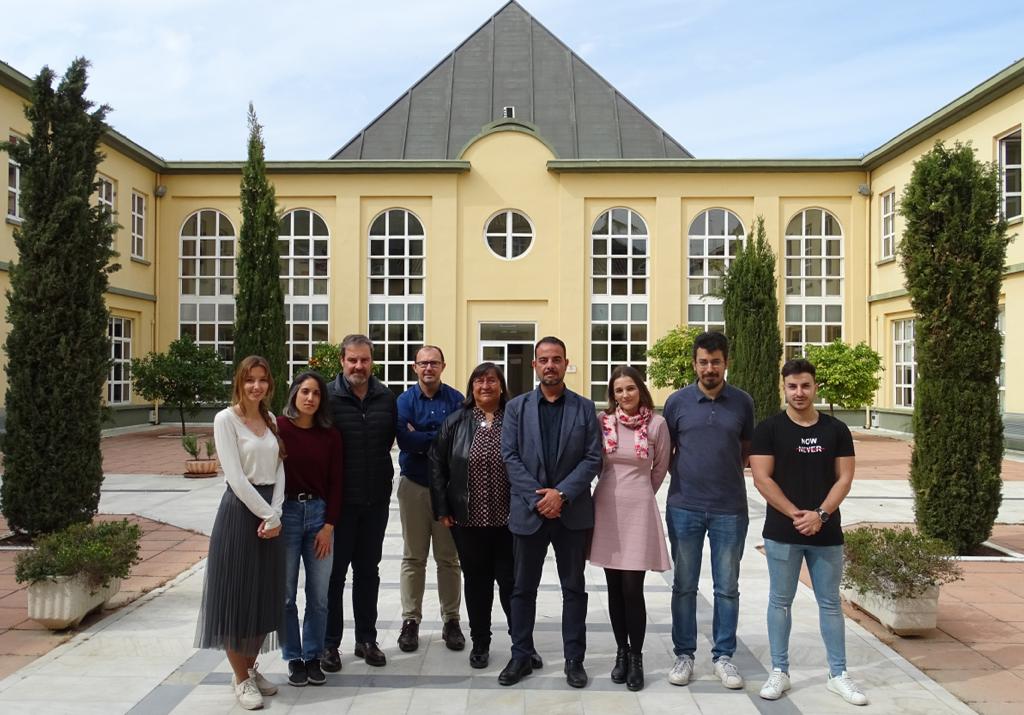
The study, published in the prestigious journal Clinical Nutrition, reveals that preference for more activity in the morning or at night is related to circadian clock genes and the risk of obesity
The Cancer Epidemiology research group of the Biosanitary Research Institute of Granada (ibs.GRANADA) has carried out a study that reveals that the quality of sleep, the chronotype of people and other factors related to the circadian clock could be related to the risk of obesity.
Circadian rhythms are cyclical changes in the processes of our cells that are repeated approximately once every 24 hours, determining what is known as the circadian clock, which plays a fundamental role in a multitude of physiological processes in the human body, such as in the regulation sleep, metabolism and the immune system. The rhythms of life of modern societies, which generate stress, anxiety, altered sleep times or food intake times, among others, can cause alterations in this circadian clock, which seems to affect health and well-being .
This ibs.GRANADA study has been carried out on more than 40.000 Spaniards who belong to a powerful multicenter study that began in 1992, in which more than half a million people from 10 European countries and 23 centers participate. This is the European Prospective Investigation into Cancer and Nutrition (EPIC) Study, of which the ibs.GRANADA Cancer Epidemiology research group is a coordinating center in Granada and Spain, whose objective is analyze the relationship between nutrition, lifestyle, environmental factors and the incidence of cancer, as well as other chronic diseases.
The research for this study on circadian rhythms at EPIC was carried out in Asturias, Gipuzkoa, Navarra, Granada and Murcia. In relation to the chronotype of people, that is, the preference to carry out activities in the morning (morning chronotype) or late-night (evening chronotype), it was found that the genes of the circadian clock are associated with the chronotype. It is not the first study that evaluates the relationship between a circadian gene with the chronotype and with the risk of presenting obesity, but in this research from Granada a total of 6 genes and their 12 genetic variants have been included, observing for the first time that the combination of these genes makes it possible to predict the chronotype of the person. This study is also the first to assess how genetics of the circadian clock and chronotype influence changes in weight and obesity over time. According to the results found in this study, a genetic predisposition to the evening chronotype is associated with obesity from early adulthood to old age.
It was also observed that the genetic variants of the 6 genes evaluated are associated with other circadian rhythm variables, such as sleep quality, or meal intake times. In relation to sleep quality, the results support that the circadian clock may influence the risk of obesity, finding that a longer sleep duration could protect against obesity in people who carry risk alleles in the genes of this clock. Furthermore, disturbed sleep patterns are known to cause chronodisruptions, which affect brain and peripheral tissue, adipose tissue physiology, and hormone secretion, and consequently lead to altered eating behavior and obesity. Finally, an association was also shown between people who do not eat breakfast after waking up and the risk of obesity.
About the research group
The ibs.GRANADA “Epidemiology of Cancer” research group, whose lead investigator is María José Sánchez Pérez, as well as the scientific director of this institute, is a research group that was created in 1985, long before the creation of the ibs. GRENADE. It includes researchers from the Andalusian School of Public Health (EASP) and CIBERESP with extensive training and experience in different areas: oncology, cancer epidemiology, statistics, health economics, environmental epidemiology, nutritional epidemiology, public health, anthropology and psychology. . Investigators have participated in multicenter research projects, both national and international, related to etiology, medical care and survival of cancer patients, environmental epidemiology, and health economics.
More information about the group at https://www.ibsgranada.es/grupos-de-investigacion/a17-epidemiologia-cancer/


