



The Granada-based TClamp project of ibs.GRANADA, recognized as a good practice of the National Health System
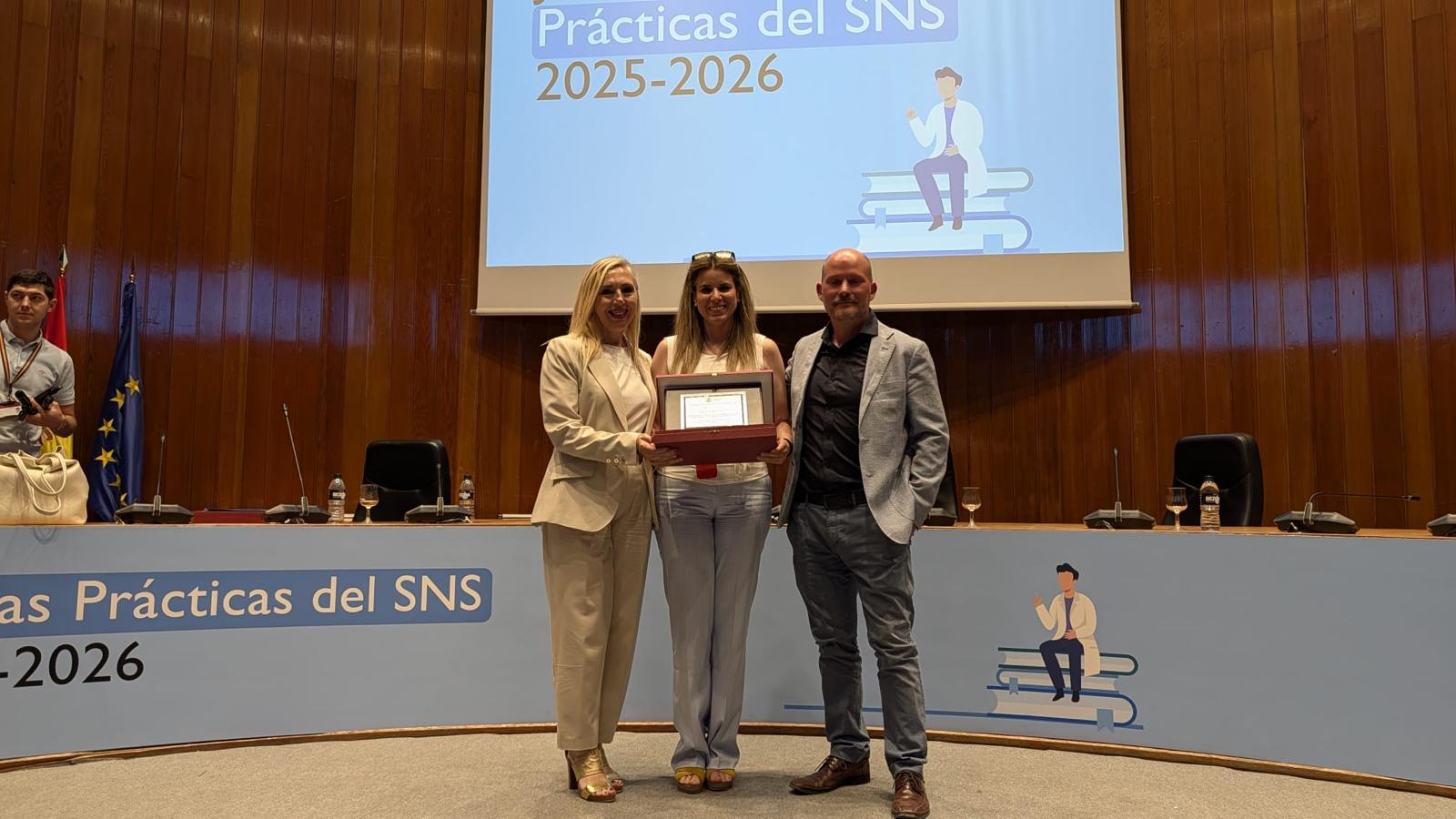
The project aims to improve the safety and traceability of blood samples in out-of-hospital emergency settings and has been selected in the area of Patient Safety.
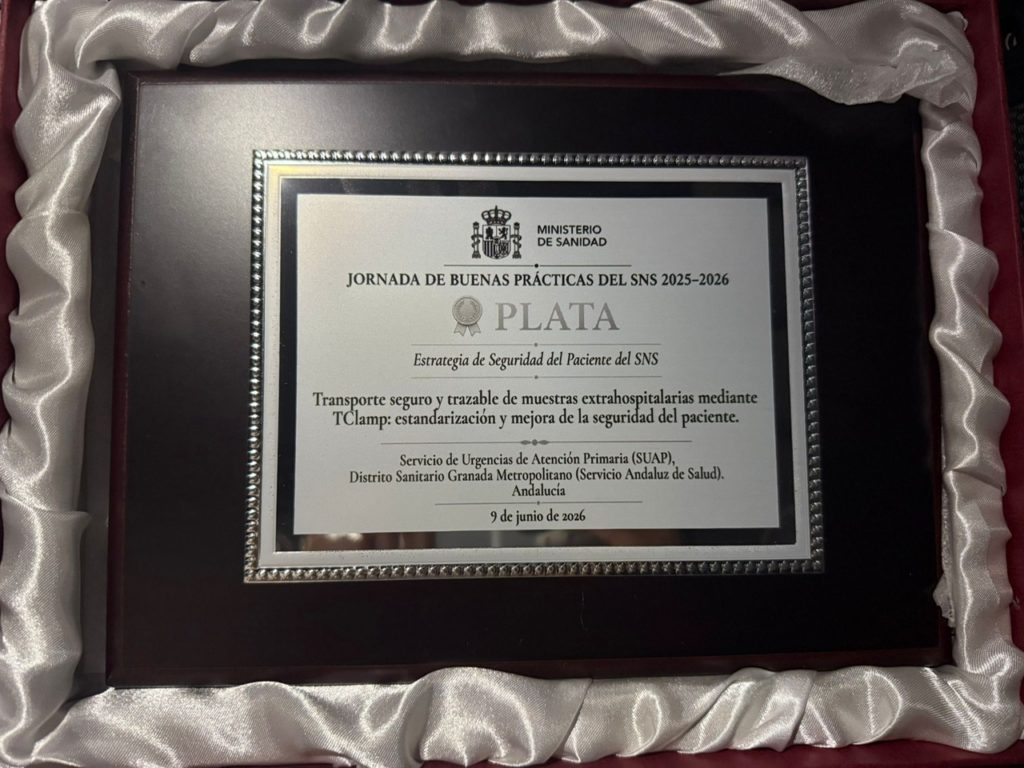
The project “Safe and traceable transport of extra-hospital samples using TClamp”, developed within the framework of the Granada Biosanitary Research Institute (ibs.GRANADA), has been recognized as one of the Good Practices of the National Health System 2025–2026 in the area of Patient Safety.
The award was presented at the NHS Good Practices Conference, organized by the Ministry of Health, which highlights initiatives aimed at improving the quality of care, patient safety and the transfer of innovative solutions to the healthcare system.
The initiative is led by Ángela Jiménez García, principal investigator of the project, PhD in Clinical Medicine and Public Health from the University of Granada, member of the group EE12-HYGIA: Care and conditioning factors in health From ibs.GRANADA and a Primary Care professional in the Mobile Advanced Care Team. “This recognition validates a project born from clinical practice and aimed at transforming a key care process in out-of-hospital emergencies. With TClamp, we have not only developed a device, but a comprehensive protocol for the safe, traceable, and standardized transport of biological samples that contributes to improving patient safety, reducing variability in care, and optimizing clinical decision-making that requires a rapid and coordinated response,” she points out.
TClamp is a portable blood collection tube rack designed to improve the transport, identification, and traceability of blood samples obtained outside of hospital settings. The project also incorporates a comprehensive protocol for the handling, storage, and transport of biological samples aimed at ensuring the safety of the diagnostic process, continuity of care, and standardization of clinical practice in out-of-hospital emergency care. Its use allows for the standardization of clinical practice that, until now, has not been fully homogenized, reducing the risk of loss, improper handling, or deterioration of samples.
The project is particularly relevant in the management of urgent and time-sensitive conditions, such as stroke, acute coronary syndrome, sepsis, trauma, arrhythmias, acute dyspnea, or seizures, where having an initial blood sample can help expedite clinical decision-making. Furthermore, the protocol has been piloted and evaluated in out-of-hospital emergency settings, demonstrating improvements in sample traceability, process safety, and healthcare organization.
The device was designed and patented as a utility model by healthcare professionals in Granada and protected through the Innovation and Transfer Unit of ibs.GRANADA, owned by the Andalusian Health Service. It was subsequently licensed to DIMPHEALTH, a company founded by primary care nurses in Granada.
The research team comprises five healthcare professionals: four from the Primary Care Emergency Service of the Granada-Metropolitan Health District and one from the laboratory of the San Cecilio University Clinical Hospital. The initiative also has the support of other healthcare and hospital facilities throughout the province of Granada.
With this recognition, TClamp consolidates itself as an innovation born from clinical practice and nursing leadership, which contributes to improving patient safety, quality of care and the sustainability of the health system by improving processes, reducing clinical variability and strengthening continuity of care in out-of-hospital emergencies.
Other outstanding Andalusian good practices
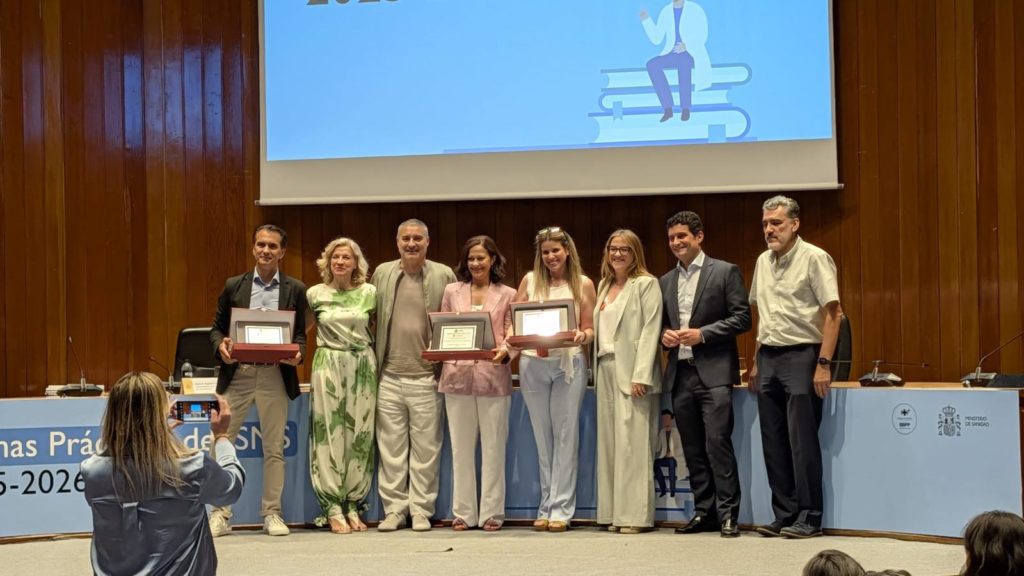
During the national day of exchange of good practices organized within the framework of the Patient Safety Strategy of the National Health SystemTwo Andalusian initiatives were also recognized with the Gold distinction: The 'Action plan to address the phenomenon of second victims', from the San Cecilio University Clinical Hospital (HUCSC), and 'Centers Committed to Combating Gender Violence', promoted by the General Directorate of Public Health and Pharmaceutical Regulation of the Andalusian Regional Government.
About the group:
El grupo EE12-HYGIA: Care and conditioning factors in healthintegrated into the area of Epidemiology and Public Health The ibs.GRANADA group brings together clinical and teaching nurses from Granada, along with primary care professionals. Its activities focus on improving health from an applied care perspective, addressing health interventions and outcomes, biopsychosocial and cultural factors, healthcare management and organization, the translation of knowledge into clinical practice, as well as health promotion and disease prevention. Furthermore, it participates in European networks related to peripartum depression and perinatal stress, and works on key concepts such as patient-centered care, health promotion, and innovation in clinical practice.
More information: https://www.ibsgranada.es/grupos-de-investigacion/ee12-hygia/


