



The Carlos III Health Institute renews the accreditation that places ibs.GRANADA among the leading health research institutes in Spain
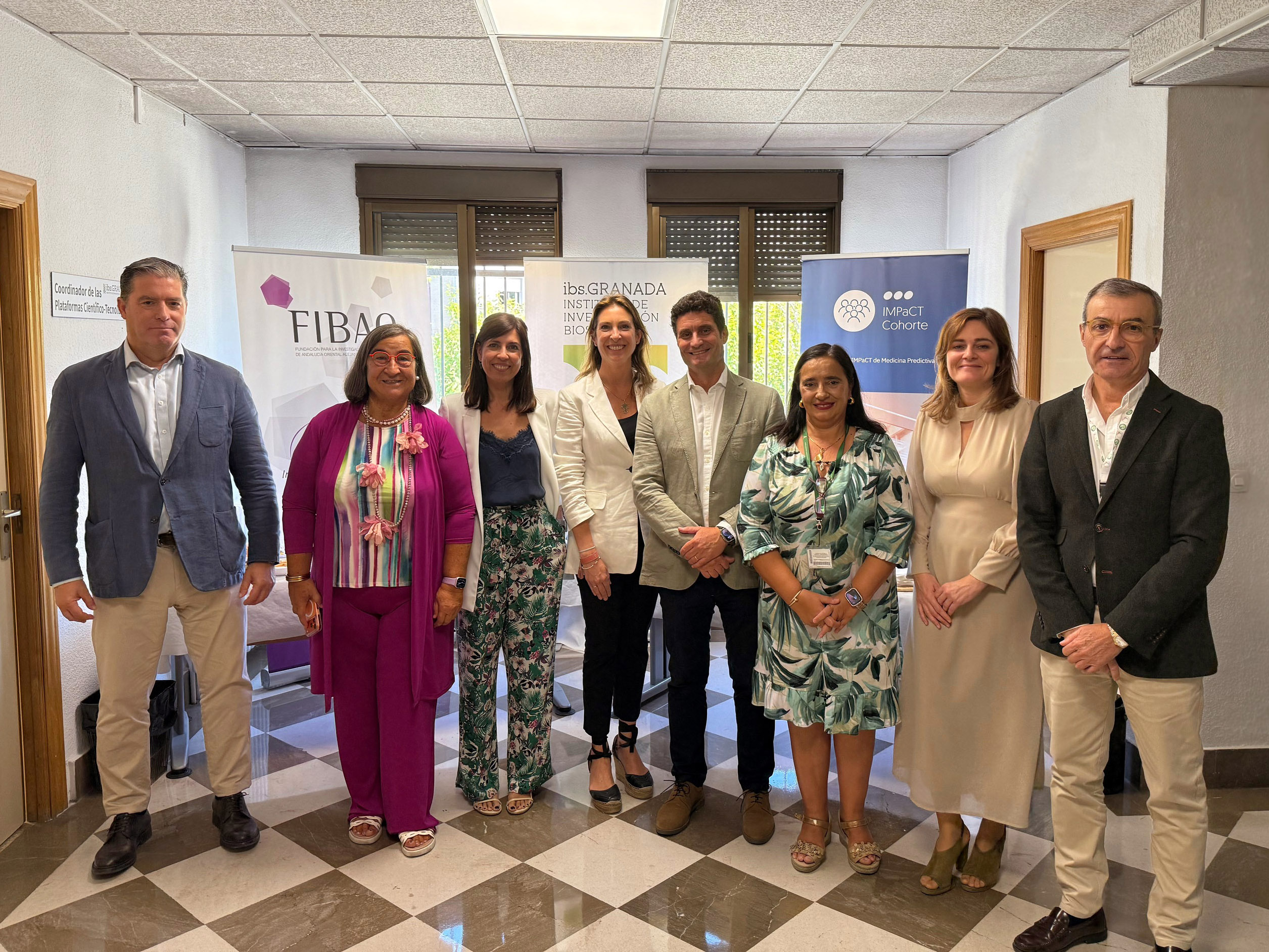
The new institutional support underscores the quality track record of ibs.GRANADA and its contribution to Granada's leadership in health research.
El Biosanitary Research Institute of Granada (ibs.GRANADA) It has received official confirmation from the General Secretariat for Research, by delegation of the Minister of Science, Innovation and Universities, of the renewal of its accreditation as a Health Research Institute, a distinction awarded for a period of five years and which recognizes those centers that stand out for their scientific excellence and their contribution to the advancement of health.
The new accreditation came into effect on November 30, 2025, coinciding with the end of the current one, and represents an institutional endorsement of the work carried out by the institute and its strategic role within the national health research ecosystem.
The report issued by the Carlos III Health Institute, which prompted this renewal, unanimously praised the solid scientific track record of ibs.GRANADA and the strengthening of its research performance, as well as its growing capacity to attract competitive funding. The report also highlights the institute's robust governance, its focus on societal needs, and the medium-term sustainability of its management model.
The report also highlights the remarkable progress in the area of innovation, which has intensified the valorization of generated knowledge and its transformation into solutions with an impact on clinical practice and the productive sector. The Commission also acknowledges the proactive Human Resources policy, geared towards the professional development of research and technical staff, as well as the appropriate and participatory monitoring of action plans.
La Scientific director of ibs.GRANADA, María José SánchezHe highlighted that “This reaccreditation recognizes the rigorous and dedicated work of all our researchers and professionals. It motivates us to continue strengthening biomedical research that generates knowledge and, at the same time, translates into real improvements for the health of the public.”. Add that “The ISCIII report sets clear guidelines for continued growth, especially in the integration of clinical and primary care profiles, which are essential for advancing towards truly translational research.”.
With this renewal, ibs.GRANADA, made up of researchers from the San Cecilio University Clinical Hospital, the Virgen de las Nieves University Hospital, the Primary Care centers of Granada, the University of Granada and the Andalusian School of Public Health, consolidates its position as a national reference institute, committed to biomedical research of excellence and to the transfer of knowledge to the health system to improve the health of the population.
About the ibs.GRANADA
The Instituto de Investigación Biosanitaria ibs.GRANADA, is the only center accredited by the Carlos III Health Institute (ISCIII) that develops biomedical research of excellence in Granada and one of the four accredited in Andalusia by the ISCIII.
The ibs.GRANADA is structured in four Scientific Areas: Oncology, Precision Medicine, Epidemiology and Public Health and Technology and Advanced Therapies that develop an intense research activity and lead the transfer of research results to society, which are reflected in the 1.063 publications made in scientific journals, totaling 6.528 impact factor points, as well as 23 patents applied for during 2024.
Currently, the Institute brings together more than 1.105 professionals and 69 multidisciplinary research groups that make up, from the University of Granada, the Virgen de las Nieves University Hospital, the San Cecilio Clinical University Hospital, the Andalusian School of Public Health and Primary Care Centers in Granada.
The main objectives of ibs.GRANADA are to promote biomedical, clinical and epidemiological research carried out by the different groups attached to the institute and to facilitate translational research in Granada hospitals. This research activity translates into the generation of knowledge and the transfer of scientific advances towards the prevention, diagnosis and treatment of priority health problems in Andalusia.


