



The ibs.GRANADA promotes young talent with two practical workshops to start a research career in health
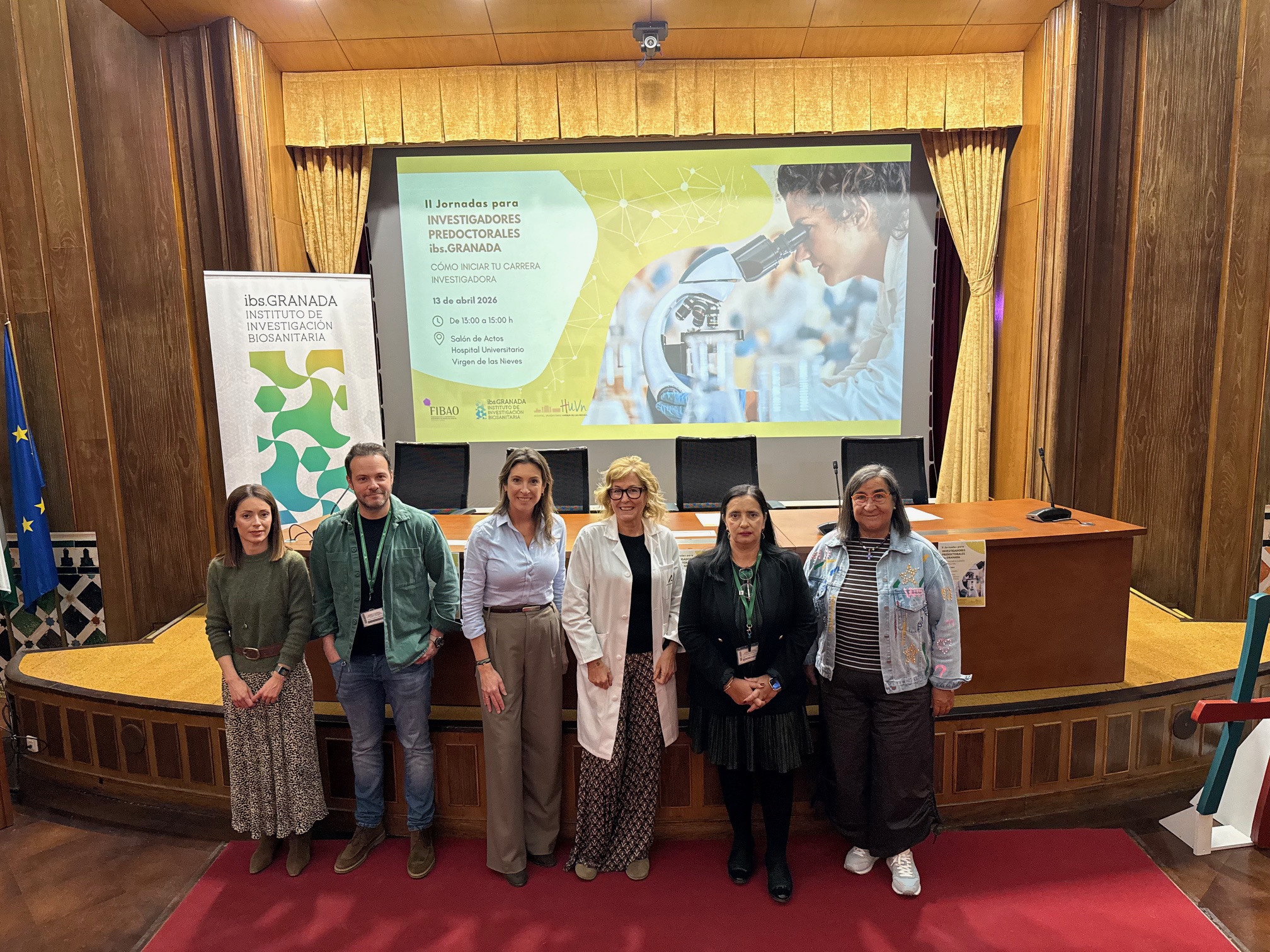
The sessions, held on April 9 and 13 respectively at the Clínico San Cecilio and Virgen de las Nieves University Hospitals, reinforce the Institute's commitment to training new research profiles in the healthcare environment
The Granada Institute for Biomedical Research (ibs.GRANADA) has held the II Conference for Predoctoral Researchers, under the title “How to start your research career”The initiative, which included two meetings held at the Virgen de las Nieves University Hospital (HUVN) and the San Cecilio Clinical Hospital (HUCSC), brought together young researchers, healthcare professionals in training, and healthcare staff interested in incorporating research into their professional development.
With this second edition, ibs.GRANADA consolidates an initiative aimed at offering a practical, accessible, and realistic view of the first steps in a research career. Through information sessions and roundtables, attendees have been able to learn about possible pathways within the biomedical field, from accessing doctoral studies to project design, publishing results, and professional development opportunities in research.
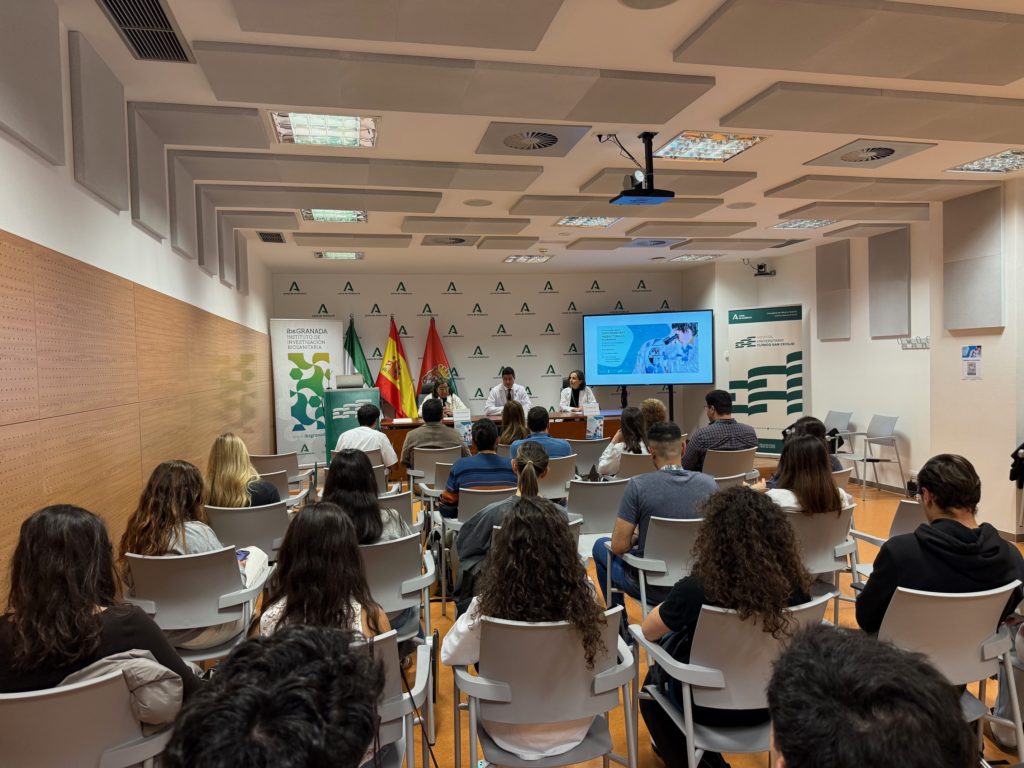
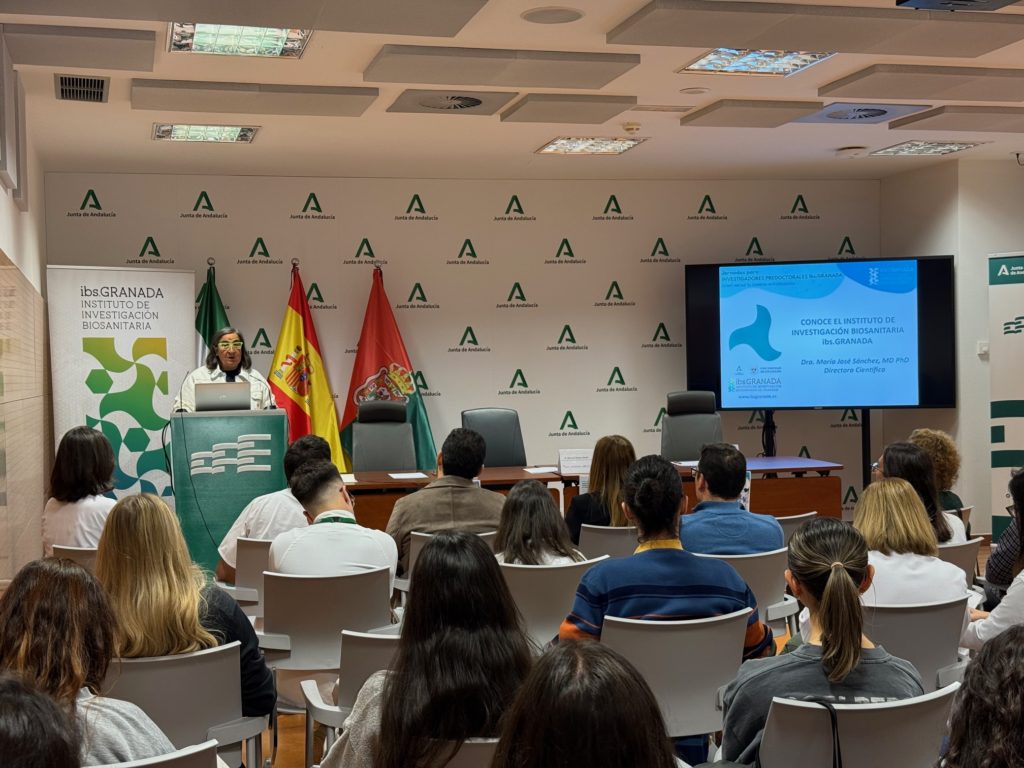
The first day was held on April 9th at the San Cecilio University Clinical Hospital (HUCSC) and began with the institutional welcome of the Dr. María José Sánchez Pérez, Scientific Director of ibs.GRANADA; Dr. Manuel Reyes Nadal, Manager of HUCSC; and Dr. Olga Ocón Hernández, Head of Research at the hospitalDuring the opening, the importance of creating guidance spaces for professionals who wish to start in research was highlighted, as well as the importance of strengthening the integration between clinical activity and scientific activity.
Dr. Olga Ocón Hernández, head of Research at HUCSC, pointed out that “These workshops bring research closer to professionals from a useful and accessible perspective, helping them identify real opportunities to incorporate it into their careers. Creating these kinds of guidance spaces is essential to continue building a more integrated and impactful health research system.”.
The second day was held on April 13th at the Virgen de las Nieves University Hospital (HUVN) and it was inaugurated with the participation of the Dr. María José Sánchez Pérez, Scientific Director of ibs.GRANADA; Dr. María Ángeles García Rescalvo, Managing Director of the hospital; and Dr. Encarna González-Flores, Head of Research at HUVNDuring the opening, the need to continue strengthening the research culture in the healthcare environment and to facilitate pathways that integrate clinical practice and knowledge generation as a strategic commitment to improving the quality of the healthcare system was highlighted.
Throughout both days, the importance of supporting young talent from the early stages, facilitating access to resources and support structures, and highlighting the diverse professional profiles that currently comprise biomedical research was emphasized. The meetings also provided an opportunity to address, in a practical way, issues related to research training, access to doctoral studies, the development of scientific projects, and the integration of research into clinical practice.
Both meetings highlighted the growing interest among healthcare professionals in research training and in incorporating scientific methodology into their daily practice. They also underscored the importance of creating forums that facilitate the exchange of experiences and access to leading figures in the research field.
The closing session highlighted the importance of these types of initiatives in guiding and supporting professionals in their first steps in research. In this regard, the Dr. Encarna González-Flores He emphasized that promoting research careers from the early professional stages not only represents a commitment to young talent, but also a direct investment in the quality of the healthcare system, by fostering evidence-based responses to current health challenges.
With this second edition, ibs.GRANADA reinforces its role as a driving force for biomedical research in Granada and consolidates these conferences as a key tool to promote scientific vocations and strengthen a more integrated, collaborative health research focused on improving care for citizens.
About the ibs.GRANADA
The ibs.GRANADA Biomedical Research Institute, managed by the Alejandro Otero Foundation for Biomedical Research of Eastern Andalusia (FIBAO), is the only center accredited by the Carlos III Health Institute (ISCIII) that develops biomedical research of excellence in Granada and one of the five accredited in Andalusia by the ISCIII.
The ibs.GRANADA is structured into four Scientific Areas: Oncology, Precision Medicine, Epidemiology and Public Health, and Advanced Technology and Therapies, which carry out intense research activity and lead the transfer of research results to society. This is reflected in the 1.154 publications made in scientific journals (61% of which have been in first quartile journals), which add up to a total of 5.883 impact factor points, as well as 19 patents applied for during the year 2025.
Currently, the Institute brings together more than 1.215 professionals and 75 multidisciplinary research groups that make up, from the University of Granada, the Virgen de las Nieves University Hospital, the San Cecilio Clinical University Hospital, the Andalusian School of Public Health and Primary Care Centers in Granada.
The main objectives of ibs.GRANADA are to promote biomedical, clinical and epidemiological research carried out by the different groups attached to the institute and to facilitate translational research in Granada hospitals. This research activity translates into the generation of knowledge and the transfer of scientific advances towards the prevention, diagnosis and treatment of priority health problems in Andalusia.
More information: www.ibsgranada.es


