



Consuming virgin olive oil regularly over time increases life expectancy
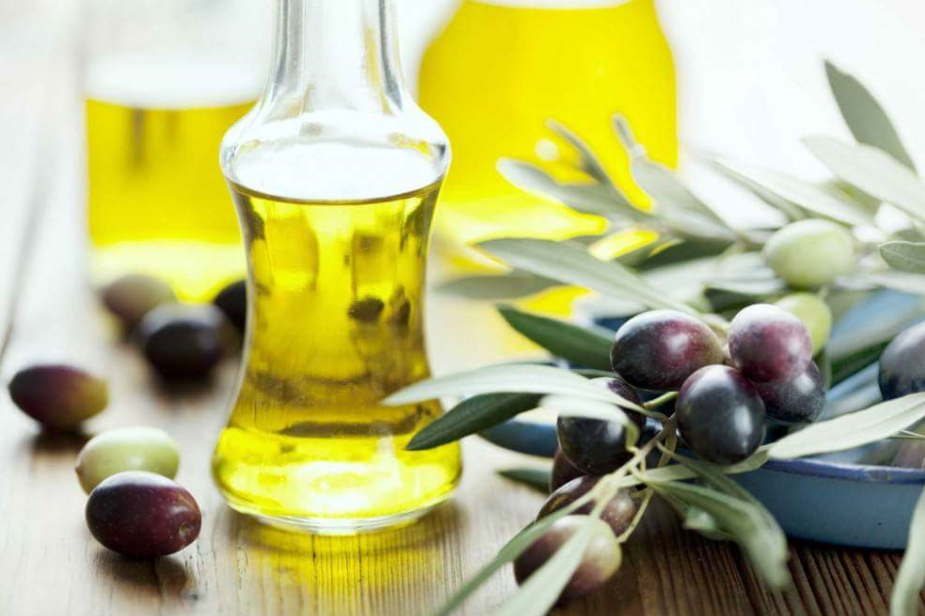
A study in rats carried out by the research group A04 of the Digestive System of the ibs.GRANADA indicates that the prolonged intake of virgin olive oil and, to a lesser extent, that of fish oil, increases the half-life or life expectancy in rats fed for their entire lives any of these types of dietary fat vs. sunflower oil
The shorter half-life observed after ingesting sunflower oil is not due to a higher frequency of cancer, cardiovascular or infectious and inflammatory diseases. On the contrary, what seems to happen is that sunflower oil accelerates the appearance of these pathologies, causing the animals fed with this fat to die earlier, although from the same diseases as the remains.
The study, led by researchers from the Biosanitary Research Institute of Granada, the José Mataix Verdú Institute of Nutrition and Food Technology, located at the Biomedical Research Center of the University of Granada, in collaboration with specialists in Pathological Anatomy from the San Cecilio University Hospital of Granada and the Jaén Hospital Complex, as well as with the group of Professor Maurizio Battino, from the Università Polictecnica delle Marche in Ancona, Italy, and Visiting Scholar at the University of Granada, has been published in the prestigious journal The Journals of Gerontology, Series A: Biological Sciences, America's oldest magazine dedicated to the study of aging, founded in 1946.
In this study, as explained by Professor José L. Quiles, Professor of Physiology at the University of Granada and head of the research, the authors fed rats with different fat sources throughout their lives (virgin olive oil, sunflower oil or fish oil), trying to find out the effects on health and longevity of diets with a majority content in fatty acids of type w9 (omega 9), such as those provided mostly by virgin olive oil, compared to fatty acids w6 (omega 6), mainly present in sunflower oil, and w3 (omega 3) fatty acids, mainly located in fish oil.
The fish oil used in this study is not of habitual culinary use; the normal source of omega 3 fatty acids is the fat provided by fish consumed in the diet or in supplementsw3. In this study, fish oil has been used as a model to compare with the other two types of oil, which are commonly used in cooking.
To assess the effect of the majority consumption of one type of fat or another, survival curves of the animals were constructed where it was possible to study the rate at which the animals died naturally throughout their lives. With the analysis of the survival curves, data such as the half-life (parameter related to life expectancy) were obtained, that is, the age at which half of the animals in each experimental group remained alive, as well as the maximum life , that is, the age at which the last animal in each experimental group died. In addition, to each of the animals in the study, specialist pathologists performed a regulated necropsy as they died to analyze all their organs and thus be able to establish the most probable cause of death.
Longer half-life
The results showed that the animals fed with virgin olive oil had a longer half-life and had a more extended survival curve throughout their life compared to those fed with sunflower oil. For their part, animals fed fish oil also had a longer half-life than those fed sunflower, although their survival curve only extended with respect to that of sunflower in some phases of their life.
Regarding the findings observed in the study of the causes of death, it was found that in all cases the animals died at an advanced age, mainly from cancer (approximately 50% of deaths). Also important were deaths due to cardiovascular diseases (between 20 and 30% of deaths) as well as those that had an infectious or inflammatory cause (12-20% of deaths). In any case, there were no significant differences between the groups in terms of the greater or lesser frequency of appearance of a certain type of cause of death.
In the words of César Luis Ramírez-Tortosa, head of the team of pathologists involved in the study, "these results seem to indicate that the shorter average lifespan and survival associated with sunflower oil intake is not due to the fact that this fat increases the occurrence of a higher percentage of deaths from a specific cause, but rather it could be due to the fact that these diseases are appearing earlier in time."
Coenzyme Q10
In a second part of the study, the researchers used the same fats described above but supplemented with coenzyme Q10 (CoQ10), an antioxidant that has been shown to be useful against some pathologies associated with aging. Adding CoQ10The sunflower oil improved the survival of the rats, matching the results with those found in animals fed with virgin olive oil or fish. On the other hand, CoQ10 It had no additional effect when added to virgin olive oil or fish oil. These results could indicate, in the words of Alfonso Varela, co-author of the study, that "the use of antioxidant supplements should be restricted to special situations, such as those related to a poor diet or specific pathological situations, while their use in well-nourished healthy individuals would provide no additional benefit, at best."
This study closes an experimental cycle that began 25 years ago under the direction of Professor José Mataix, whose death marked the 10th anniversary a few months ago. In the words of Professor Quiles, "We believe that beyond the tributes, there is no greater recognition of Professor Mataix than perpetuating his memory by continuing his scientific work in a line of research such as olive oil, to which he dedicated so many years, effort, and love."
In all these years, through various investigations, the group has verified something that has been known for centuries: that virgin olive oil is good for health. However, what the studies of this research group contribute is the knowledge of the mechanisms through which this oil exerts its beneficial effects. Most of the studies in this line have been carried out in rodents, which, far from diminishing the importance of the results because they were not carried out in humans, has made it possible to carry out controlled nutritional interventions that are maintained throughout life in a higher organism like the rat, something very rare, also allowing the analysis of tissues and cells that are not usually available in human studies.
Bibliographic reference:
Published: April 06, 2019
A-series, glz091, https://doi.org/10.1093/
The Journals of Gerontology:
César L Ramirez-Tortosa, Alfonso Varela-López, Maria D Navarro-Hortal, Francisco M Ramos-Pleguezuelos, Belgium Márquez-Lobo, MCarmen Ramirez-Tortosa, Julio J Ochoa, Maurizio Battino, José L Quiles
Longevity and Cause of Death in Male Wistar Rats Fed Lifelong Diets Based on Virgin Olive Oil, Sunflower Oil, or Fish Oil


